Shedding Fat: Where Does It Go?
Non-surgical Fat Reduction Coolsculpting, Kybella, Sculpsure, Ultrashape Abcs
In mix with the other adjustments in this homeostatic system, these changes in adipose tissues present a considerable obstacle for successful weight management upkeep. Weight loss awakens the body's support system in a fashion that is relentless, saturated with redundancies and well-focused on the goal of recovering the body's diminished energy gets. Effective, lasting fat Non-Surgical Fat Reduction burning needs acknowledgment of the strength and perseverance of these biological pressures and a better understanding of exactly how they may be countered with ecological, behavioral and pharmaceutical treatments. Fats and, much more particularly, the adipocytes may supply an important target for developing interventions, offered their important duty in the flexible response. To be reliable, interventions targeted at preventing weight restore will likely need to be as comprehensive, consistent and redundant as the biological adaptations they are trying to counter.
How Does Fat Leave The Body?
- A, b, Collection pens made use of for annotating cell collections in human omAT of the MTSS (left) and LTSS (right) research study.
- In mix with the various other adjustments in this homeostatic system, these modifications in adipose tissues provide a substantial obstacle for effective weight loss maintenance.
- One of the most vital takeaway for people is that this is a contouring procedure, not an universal weight loss remedy.
Power expenditure and food consumption showed no differences in between HC and CC_s mice after WL (Extended Information Fig. 5k, l). Liver triglyceride accumulation was normalized (to regulate degrees) in HC, and most HHC, mice. Similarly, C and H computer mice, and CC_s and HC mice, did not differ in the quantity of lean mass neither did HC computer mice shed lean mass (Extended Data Fig. 5o). Overweight H computer mice had bigger subcutaneous inguinal AT (ingAT), epididymal AT (epiAT) and brown AT (BAT) depots than matching control mice (Extended Data Fig. 5p, q).
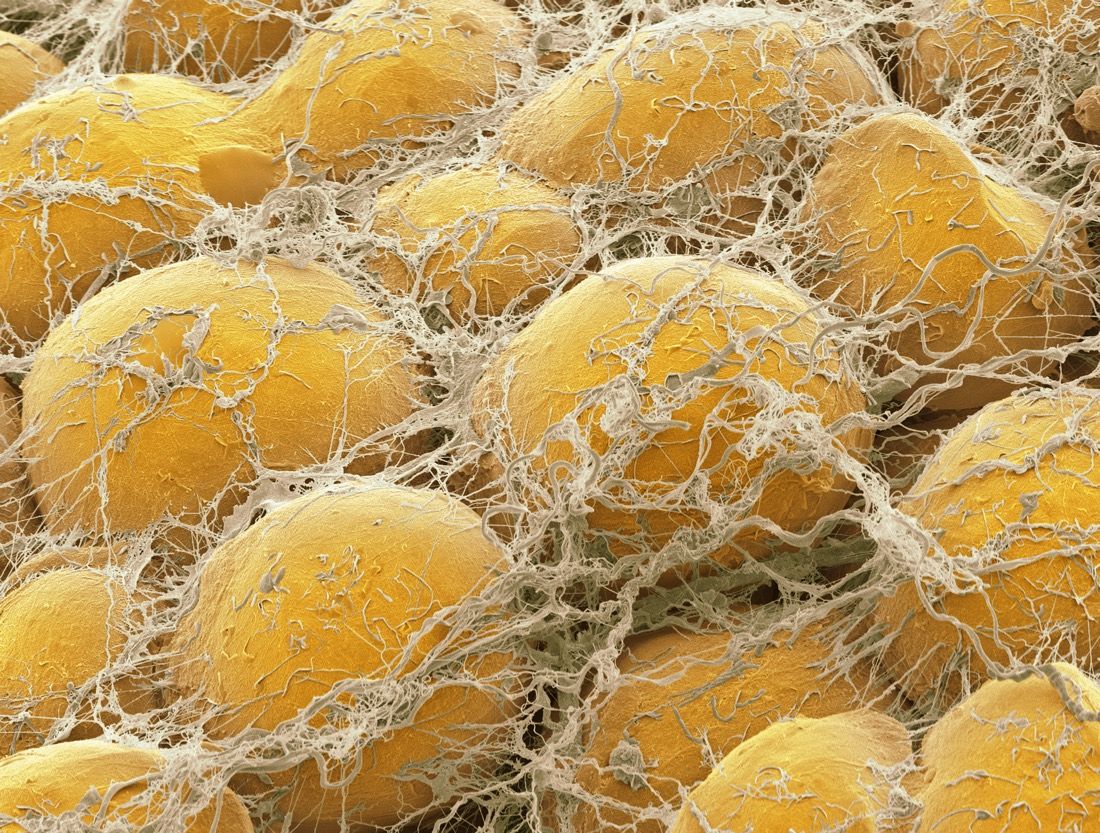
What In Fact Occurs To Fat Cells After Body Sculpting Treatments?
Below are the 14 ideal ways to shed fat promptly and improve calorie burning. A, Gene counts and the number of one-of-a-kind molecular identifiers (UMIs) per condition of mouse epiAT examples. B, UMAP visualization representing integrated epiAT examples from the fat burning study (C, CC, CCC, H, HH, HC, HHC) and from the "yoyo" research (CCH, HCH) coloured by forecasted cell subtypes from the Emont et al. mouse epididymal AT dataset. Attribute stories showing referral mapping ratings highlighting exactly how well these datasets maps to the Emont et al. dataset. C, gene counts and the number of UMIs per cell type from computer mouse epiAT samples. The existence of a putative obesogenic epigenetic memory in adipocytes and potentially other cells recommends new potential healing opportunities to boost WL maintenance in humans.
The majority of these products just deplete water or caffeine you assume you are leaner. The real "fat burner" is a well-fed metabolic rate that originates from toughness training, rest, and good nutrition. So what occurs when you go off your strategy or return to old practices? Those very same cells are resting there like vacuum-sealed bags, all set for the next energy excess. The minute you start eating greater than you shed, they start loading back up, occasionally even faster than before.